
Automated External Defibrillators for Scuba Diving
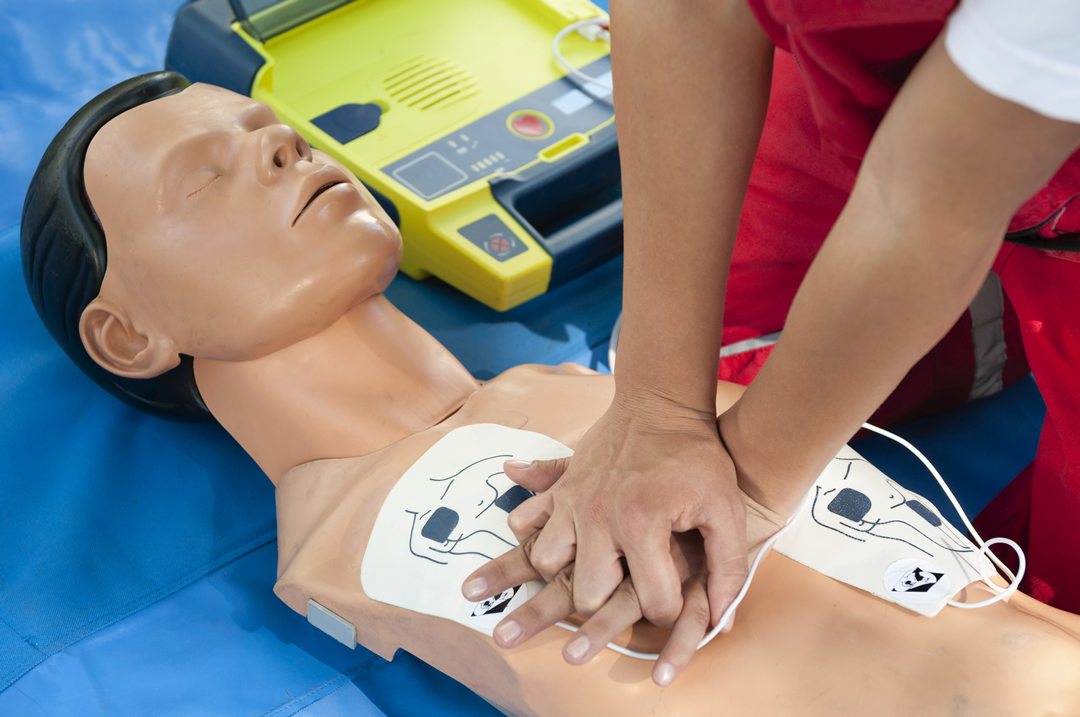
More than 10 percent of all dive fatalities are actually caused by cardiovascular disease, according to DAN dive accident and fatality statistics. This course teaches divers and other interested parties to provide care for sudden cardiac arrest including the use of an automated external defibrillator (AED).
The DAN Automated External Defibrillators (AEDs) for Scuba Diving Injuries course represents entry-level training designed to educate the general diving (and qualified nondiving) public to better recognize the warning signs of sudden cardiac arrest and administer first aid using basic life support techniques and automated external defibrillators while activating the local emergency medical services (EMS) and/or arranging for evacuation to the nearest appropriate medical facility.

As a recreational diver, you can receive training to provide vital first aid that can make a difference to a scuba diver with decompression illness.…
Read More
This advanced-level program is designed to train existing DAN Oxygen Providers to use the MTV-100 or a Bag Valve Mask while providing care for a…
Read More
More than 10 percent of all dive fatalities are actually caused by cardiovascular disease, according to DAN dive accident and fatality statistics. This course teaches…
Read More
Serious hazardous marine life injuries are rare, but most divers experience minor discomfort from unintentional encounters with fire coral, jellyfish and other marine creatures. This…
Read More
If you want to know more than just the basic first aid techniques, Dive Medicine for Divers is your next step. This modular program includes…
Read More
This program is intended for divers who are required to have first aid, CPR and oxygen first aid training prior to diving as part of…
Read More
This program provides information regarding topics such as decompression illness, barotraumas and equipment-related safety issues and includes skill development on taking a blood pressure and…
Read More
This final part of the series provides information regarding gas toxicities, drowning, ear barotrauma and use of an otoscope. Part 3 builds on the foundations…
Read More
Learn the knowledge and skills from several courses and combine these into one single approach to dive emergency management. It is a rare event when…
Read More
The remote nature of dive accidents, whether a few hours from shore or days from civilization, requires more advanced levels of care than are offered…
Read More
Learn how to conduct a neurological assessment on a potentially injured diver in this course. The information gained in this assessment can help convince a…
Read More